Dorota Kędzierzawska
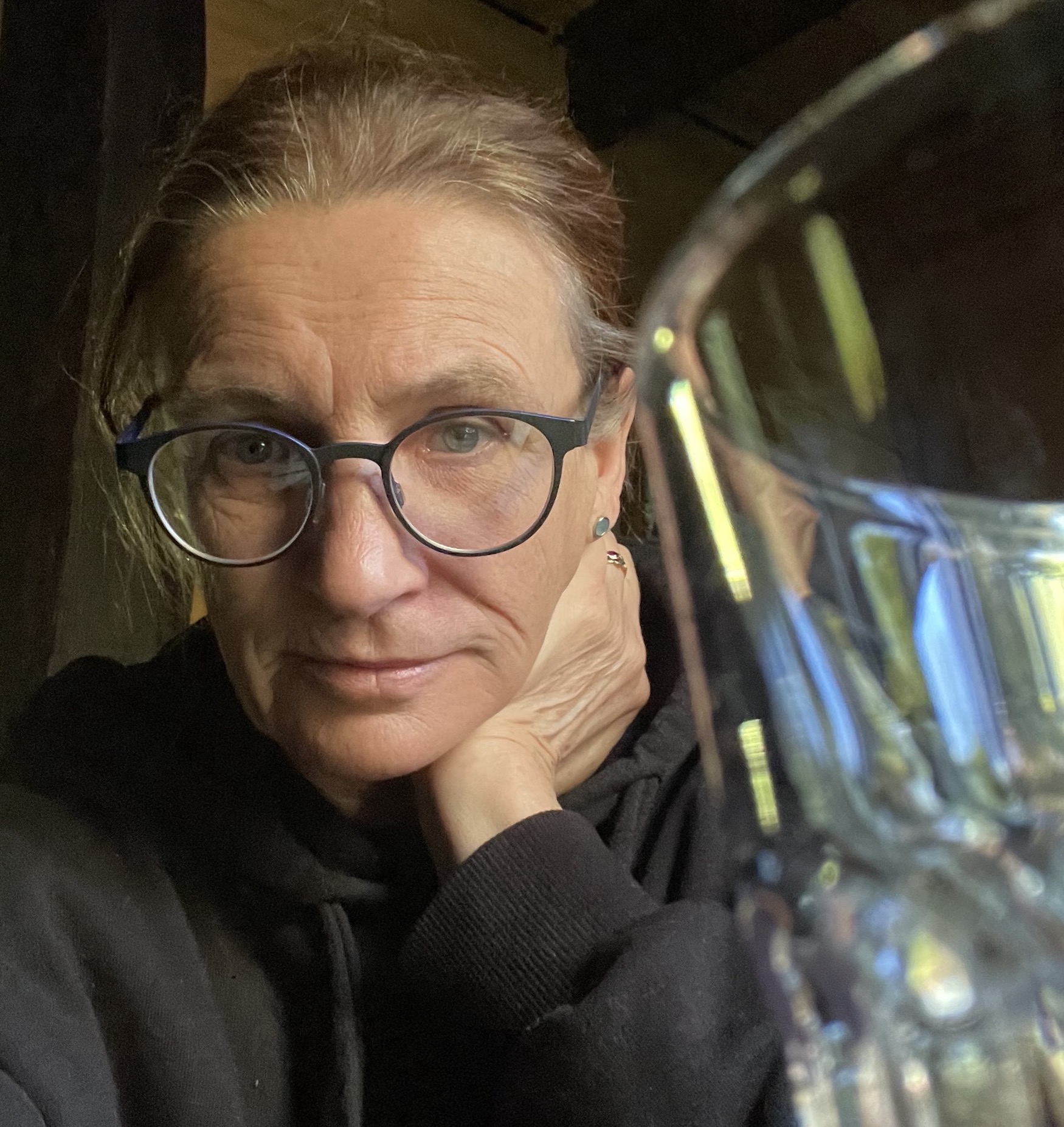
Dorota Kędzierzawska (b. 1 June 1957, Łódź) is a Polish film director, screenwriter, and editor widely regarded as one of the most distinctive voices in contemporary Polish cinema. Her work is known for its intimate, visually refined style and its focus on social exclusion, childhood, and emotional vulnerability.
After studying cultural studies at the University of Łódź and later directing at the National Film School in Łódź, she developed a personal cinematic language shaped by poetic realism. Her early student films already revealed a strong interest in marginalised lives and children’s perspectives—an approach that would define her later career.
Her breakthrough feature Crows (Wrony, 1994) brought international recognition, earning awards at the Cannes Film Festival and the Polish Film Festival in Gdynia. It tells the story of a neglected girl and explores childhood alienation and violence, themes that recur throughout her work. Later films such as Nothing (Nic, 1998), I Am (Jestem, 2005), Time to Die (Pora umierać, 2007), and Tomorrow Will Be Better (Jutro będzie lepiej, 2011) continue this focus, often portraying children as more emotionally perceptive than the adults around them.
Her films have received numerous national and international awards, including FIPRESCI prizes and honours in Cannes, Berlin, and San Francisco. They are frequently associated with slow cinema and characterised by minimal dialogue, contemplative pacing, and a strong emphasis on visual storytelling.
Alongside her filmmaking, she initiated the travelling cinema project Polska Światłoczuła, bringing film screenings to rural and underserved communities in Poland.