Women’s Non-Fiction Practices in Communist Poland
curated by Weronika Adamowska, Agnieszka Rayzacher
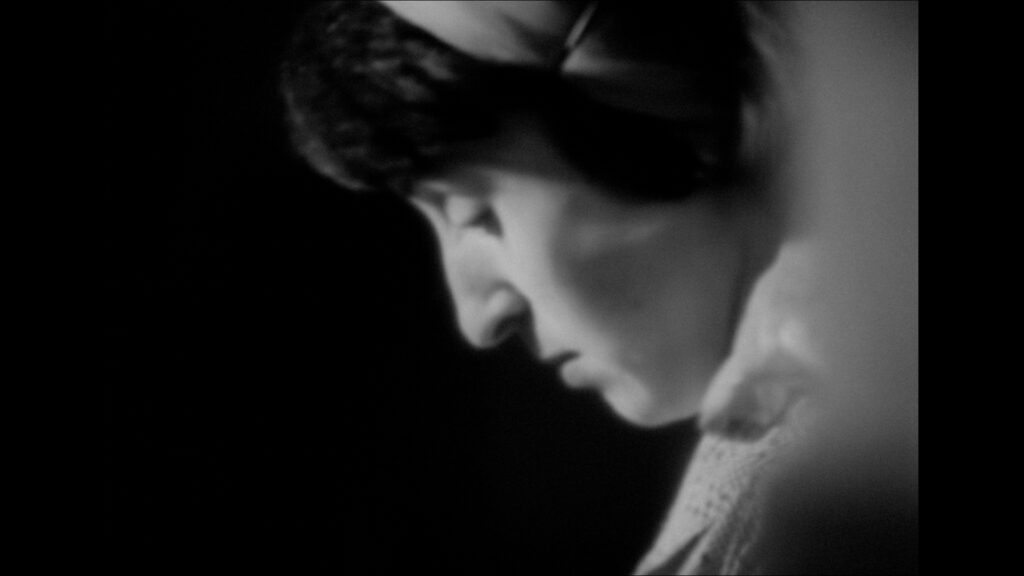
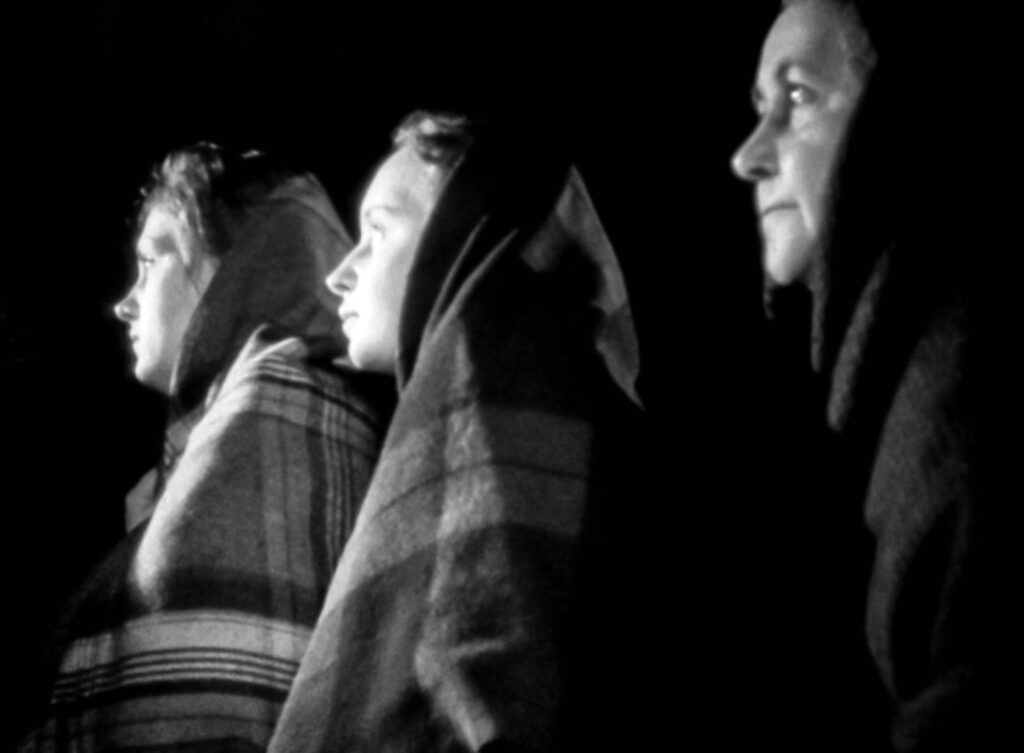
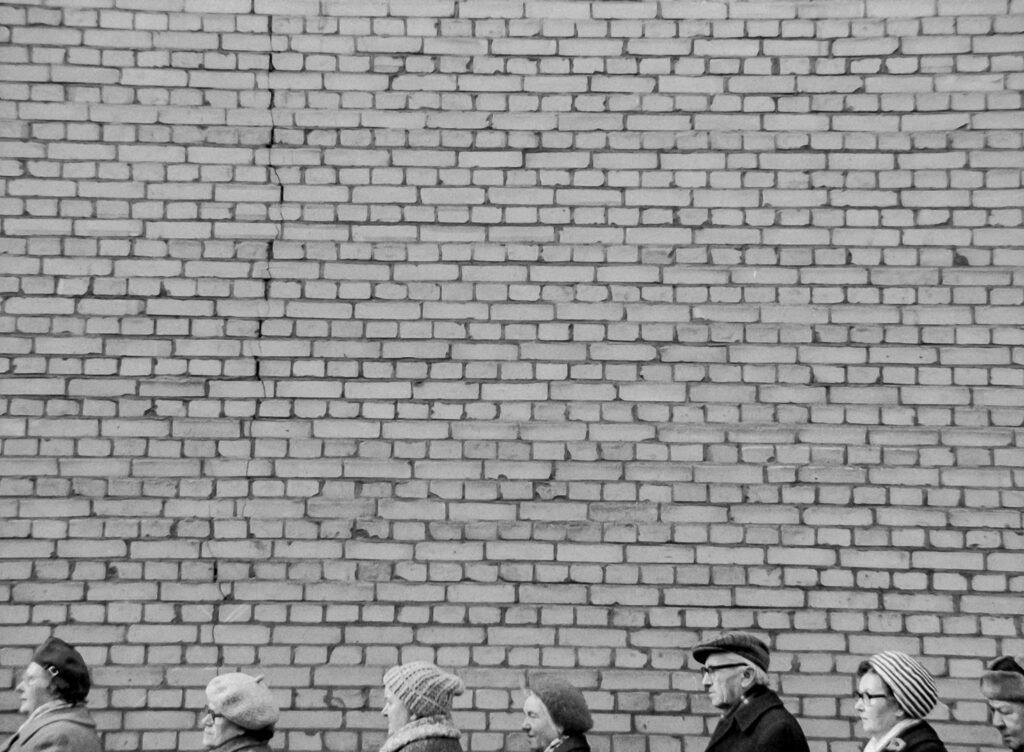
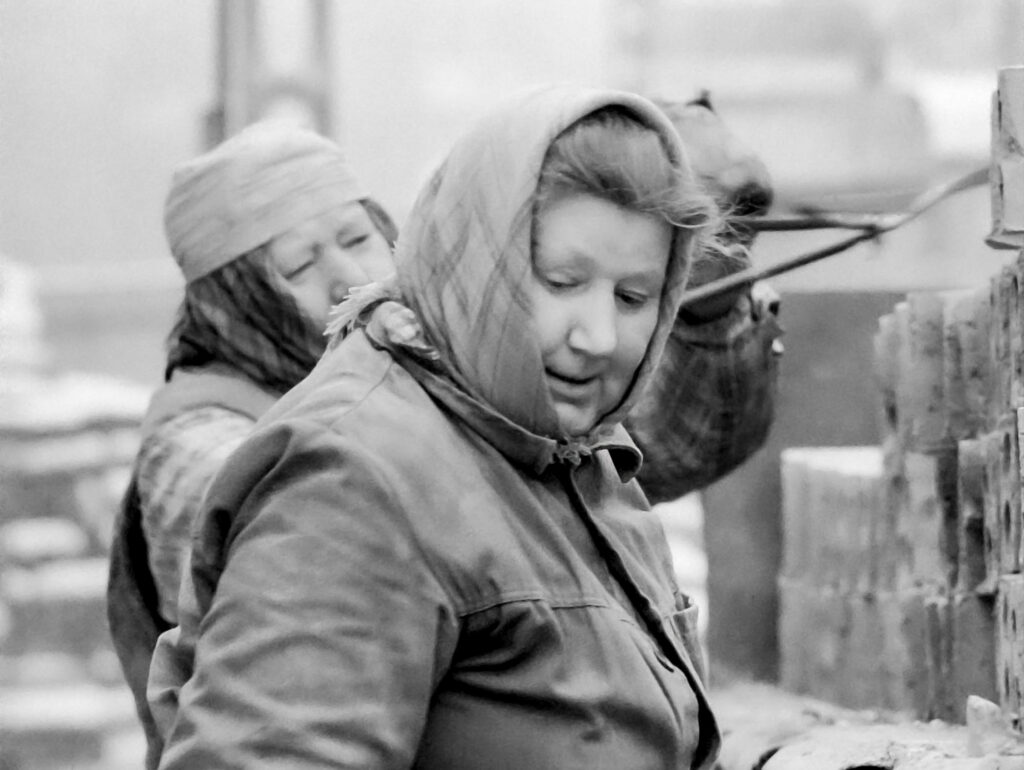
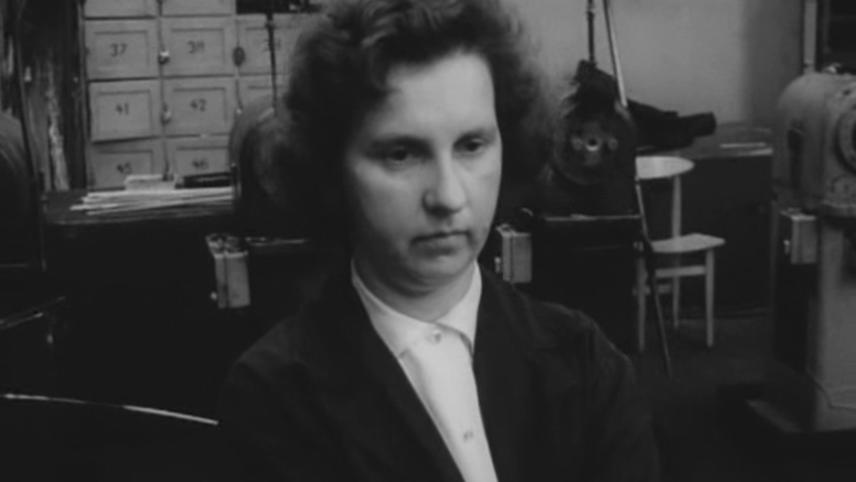
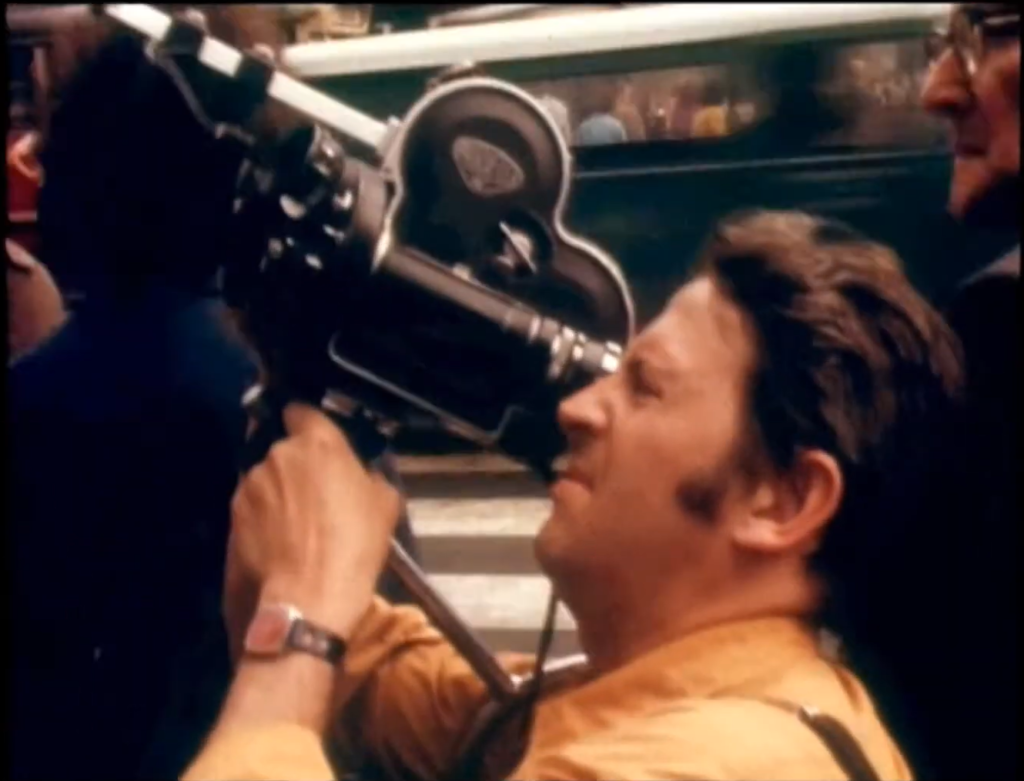
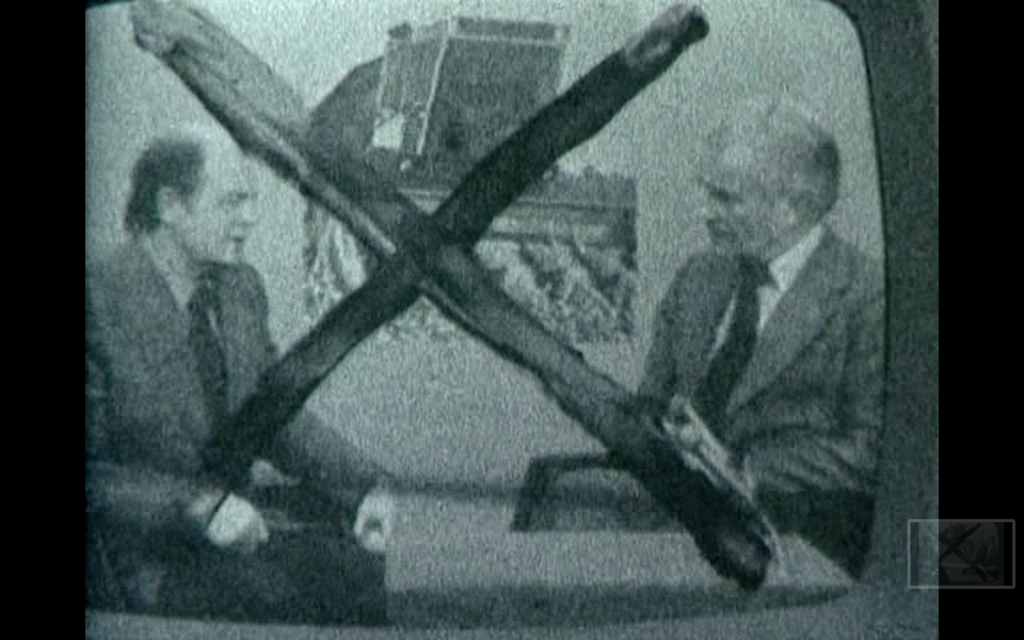
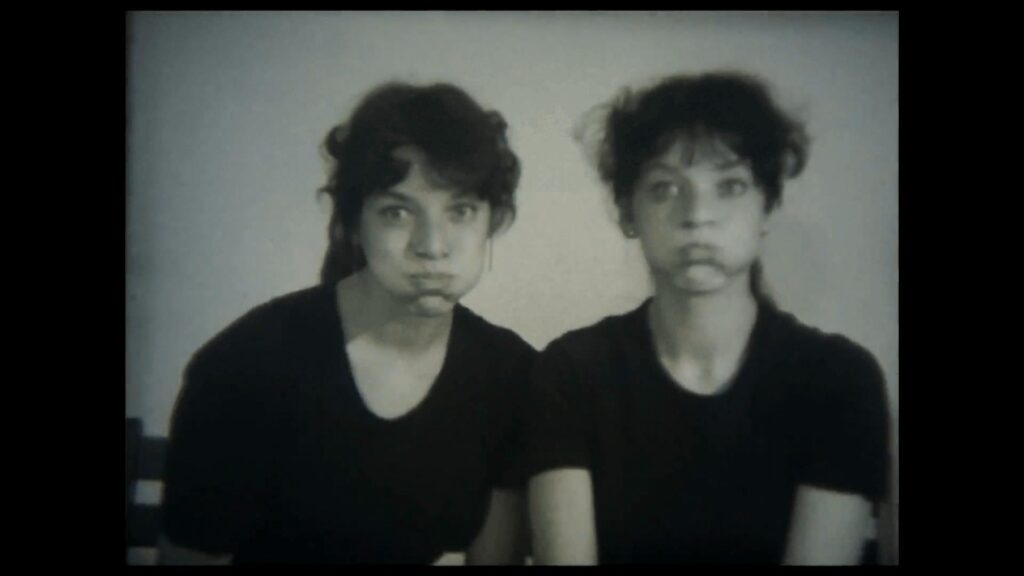
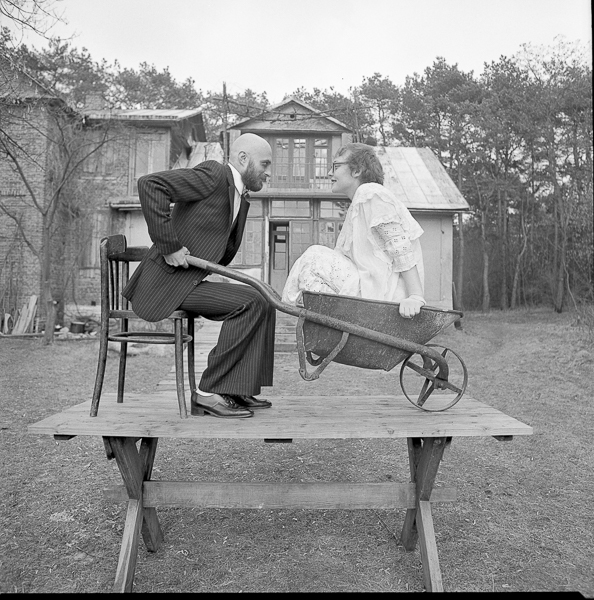
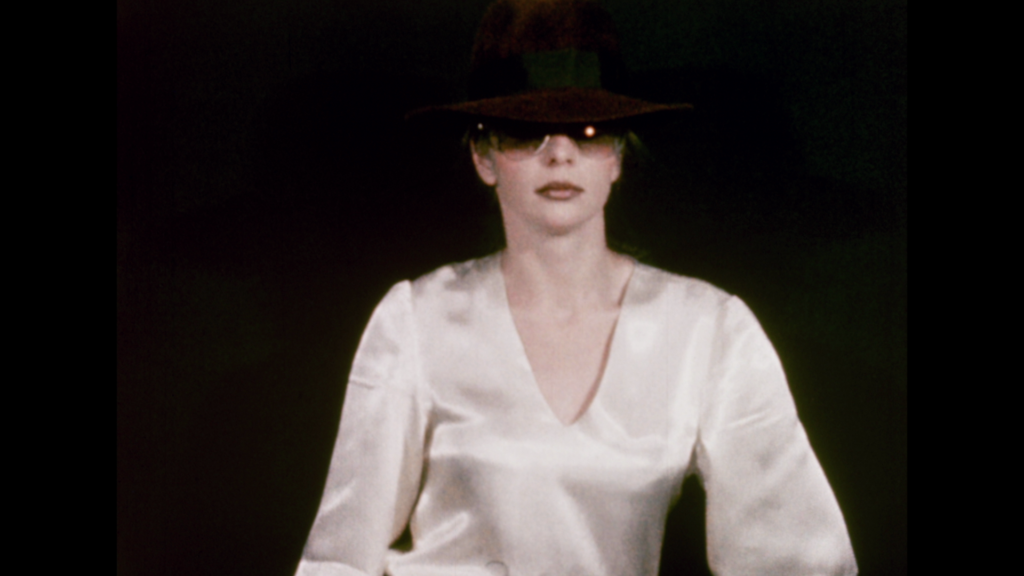
The Polish programme presents a selection of short films from the 1960s to the 1980s. In post-war Poland, the short format dominated film production, largely shaped by the state-run system that defined the conditions and aesthetics of documentary filmmaking until 1989.
When discussing women’s non-fiction filmmaking under communism, we often think primarily of documentary directors whose work was shaped, to varying degrees, by the dominant framework of socialist realism. However, it is important to remember that with the global rise of second-wave feminism and the increasing availability of lighter, more accessible cameras, film became a tool not only for documentary filmmakers. In the 1970s, alongside the official system of film production, a more private sphere of filmmaking emerged, as visual artists began incorporating moving images into their artistic practice.
By bringing these two worlds—documentary film and video art—into one shared programme, we aim to offer a more nuanced and complex perspective on women’s non-fiction filmmaking in Poland during the communist era. The Polish short film programme prepared by HER Docs features, among others, works by Irena Kamieńska, Dorota Kędzierzawska, Jolanta Marcolla, and Teresa Tyszkiewicz.
Curated Films
Share